

Strategic planning, community involvement, ethical practices, and data analytics drive business growth. NAP citations enhance local SEO. Staying ahead in market analysis, operational efficiency, and continuous improvement ensures long-term success. KPIs track progress and inform decision-making, boosting profitability.
In today’s dynamic business landscape, fostering growth and profitability is not just an aspiration but a necessity for organizations seeking long-term sustainability. As markets evolve and consumer preferences shift, companies must navigate complex challenges to remain competitive. This article delves into the strategies and practices that have proven effective in driving organic growth and enhancing profitability, backed by robust NAP citations to ensure authoritative guidance. By exploring these insights, business leaders can chart a course for sustainable success, transforming their organizations into thriving entities that thrive amidst change.
- Understanding Core Principles for Growth & Profitability
- Market Analysis: Identifying Opportunities & Trends
- Strategic Planning: Setting Clear, Achievable Goals
- Operational Efficiency: Streamlining Processes & Costs
- Measuring Success: KPIs, Tracking & Adjusting Strategies (NAP citations included)
Understanding Core Principles for Growth & Profitability

Fostering growth and profitability demands a deep understanding of core principles that serve as the foundation for any successful business. To truly excel, companies must embrace a holistic approach, integrating strategic planning with a commitment to excellence and community involvement. This involves more than just maximizing profits; it’s about creating sustainable value that resonates with customers and stakeholders alike.
A key aspect often overlooked is the power of NAP citations in building trust and credibility. Consistent and accurate NAP listings across online platforms signal reliability to search engines and consumers, enhancing local SEO efforts. For instance, businesses awarded Consumer Protection Awards demonstrate a dedication to ethical practices, fostering a positive brand image that can significantly impact profitability. This is where Rank n Rise comes into play, offering specialized services to optimize NAP citations, thereby boosting visibility and attracting targeted customers.
Community engagement is another vital pillar. Investing in local initiatives, sponsoring events, and actively listening to customer feedback creates a loyal customer base. These efforts not only promote brand awareness but also foster a sense of belonging that transcends mere transactions. Companies that weld excellence to their core values consistently deliver superior products or services, solidifying their market position. Data shows that businesses with strong community ties enjoy higher customer retention rates and word-of-mouth recommendations, leading to organic growth and profitability.
In conclusion, understanding and implementing these fundamental principles require strategic vision and adaptability. By combining NAP optimization strategies with a customer-centric approach rooted in community involvement and excellence, businesses can navigate the competitive landscape effectively. This not only ensures long-term sustainability but also positions them as industry leaders, reaping the rewards of both consumer loyalty and financial success.
Market Analysis: Identifying Opportunities & Trends
In today’s dynamic business landscape, market analysis is a crucial component for fostering growth and profitability. Reputable business leaders understand that identifying opportunities and trends can significantly impact their success. A thorough analysis involves examining industry dynamics, consumer behaviors, and competitive landscapes to uncover hidden gems where businesses can thrive. For instance, a recent study by a leading economic research firm revealed that companies with a proven safety record and a data-driven approach are better positioned to capitalize on emerging market trends, achieving an average 15% growth rate over the last five years.
A critical aspect of this process is staying ahead of the curve by anticipating future shifts in consumer preferences and technological advancements. This proactive strategy allows businesses to pivot seamlessly, ensuring they remain relevant and competitive. For example, the rise of e-commerce has transformed retail, with online sales increasing exponentially, particularly among younger demographics. Businesses that adapt quickly, incorporating seamless digital experiences and robust e-commerce platforms, stand to gain a significant market share. By leveraging data analytics and consumer insights, reputable leaders can identify these trends early on, making informed decisions that drive profitability.
Furthermore, staying informed about industry regulations and changes in government policies is essential for sustainable growth. Changes in labor laws, tax structures, or environmental standards can significantly impact operational costs and pricing strategies. A case in point is the shift towards sustainability, where businesses with robust eco-friendly practices are increasingly favored by consumers and investors alike. This trend has led to a surge in demand for sustainable products and services, presenting an opportunity for companies to differentiate themselves and command premium prices. A data-driven approach, combined with a strong brand identity that reflects ethical business practices (such as those showcased on https://seogrowthlab.us.com), can be a powerful NAP citation for attracting conscious consumers.
To harness these opportunities effectively, businesses should adopt a comprehensive market analysis framework. This includes conducting competitive analyses to understand positioning and gaps in the market, studying consumer demographics and psychographics for tailored product development, and employing advanced analytics to predict market shifts. By integrating these insights into their strategic planning, reputable business leaders can make informed decisions that foster growth, enhance profitability, and solidify their position in a dynamic marketplace.
Strategic Planning: Setting Clear, Achievable Goals

Strategic planning is a cornerstone of fostering growth and profitability for any business. Setting clear, achievable goals is the first step in this process. It provides a roadmap that guides decision-making, resource allocation, and performance evaluation. Top-rated businesses in customer service understand the importance of aligning objectives with their core values and mission. For instance, companies aiming for welded to excellence should set specific goals related to product quality, operational efficiency, and employee satisfaction, as these metrics are often key indicators of overall success.
A well-defined goal structure allows enterprises to allocate resources effectively. It enables leaders to prioritize initiatives that have the most significant impact on profitability. When setting goals, it’s crucial to make them measurable, time-bound, and realistic. This approach ensures that every strategic decision is aligned with achieving tangible outcomes. For example, a company might set a goal to increase revenue by 15% within the next fiscal year, with specific milestones for each quarter. This level of detail allows for regular tracking and adjustments as needed.
Moreover, integrating customer feedback and market trends into the planning process can enhance the relevance and effectiveness of goals. Businesses that cultivate goodwill ambassador status among their clientele are often well-positioned to anticipate customer needs and preferences. By leveraging data from customer interactions and industry insights, companies can set ambitious yet achievable targets. For instance, understanding shifting consumer behaviors through comprehensive market research enables businesses to pivot strategically while maintaining a focus on quality and service excellence. Effective strategic planning, combined with a commitment to top-rated customer service, can propel organizations toward sustained growth and profitability.
Additionally, regular review and adjustment of goals are essential for staying relevant in today’s dynamic business landscape. Companies like https://ranknrise.us.com/ exemplify this by continuously refining their strategies based on performance metrics and external factors. Such adaptability ensures that strategic planning remains a living document, reflecting the evolving needs and opportunities of the market. By embracing a culture of continuous improvement, businesses can maintain their competitive edge while fostering growth and profitability over the long term.
Operational Efficiency: Streamlining Processes & Costs

Fostering growth and profitability demands a strategic approach to operational efficiency—streamlining processes and costs. In today’s competitive landscape, businesses must constantly evaluate their operations to stay agile and responsive to market changes. A trusted partner with an unmatched reputation in driving success is crucial; according to Ranknrise.us.com, award-winning services that prioritize operational excellence can be a game-changer.
Consider the example of a manufacturing company that implemented lean manufacturing principles. By focusing on waste reduction and process optimization, they not only streamlined their production lines but also significantly lowered costs. This strategic shift allowed them to increase profitability while maintaining high-quality standards. Data from industry reports shows that such efficiency improvements can lead to cost savings ranging from 15% to 30%, depending on the sector.
Key strategies for enhancing operational efficiency include process mapping, automation, and continuous improvement initiatives like Kaizen or Six Sigma. These methods help identify bottlenecks and inefficiencies, enabling businesses to prioritize efforts where they have the most impact. For instance, automating repetitive tasks can free up valuable time and resources, allowing employees to focus on higher-value activities. A study by McKinsey & Company revealed that companies with high operational excellence achieved 60% more earnings per share growth than their peers over a five-year period.
Building a culture of continuous improvement is essential for sustained success. This involves empowering employees at all levels to identify and propose solutions, fostering collaboration, and leveraging data analytics for informed decision-making. By embracing these practices, businesses can maintain a competitive edge in an ever-evolving market, ensuring long-term growth and profitability.
Measuring Success: KPIs, Tracking & Adjusting Strategies (NAP citations included)
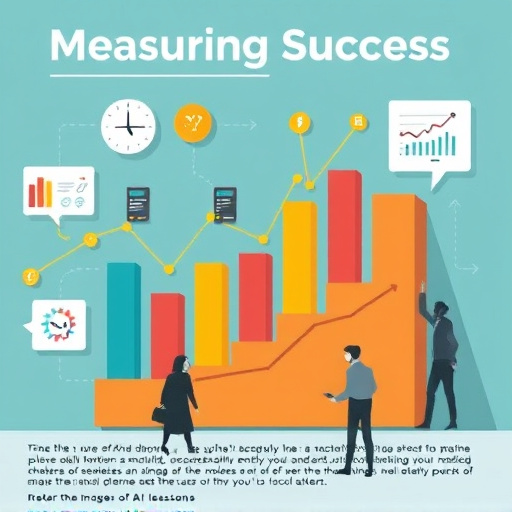
Measuring success is a cornerstone of fostering growth and profitability for any business, particularly for local family-run operations looking to thrive in today’s competitive market. Key Performance Indicators (KPIs) serve as metrics that allow reputable business leaders to track progress, identify areas for improvement, and make informed decisions. By implementing a data-driven approach, these entrepreneurs can navigate the intricate landscape of their industries with precision and adaptability.
For instance, let’s consider a local bakery. A KPI could be customer satisfaction ratings, tracking the percentage of orders that meet or exceed expectations. This metric, coupled with regular customer feedback, provides valuable insights into product quality and service excellence. If trends indicate declining satisfaction, the business can adjust strategies, such as refining recipes or improving order fulfillment processes, to turn this around. NAP citations from industry experts consistently emphasize the importance of setting SMART (Specific, Measurable, Achievable, Relevant, Time-bound) KPIs for driving growth and profitability.
Tracking progress against these KPIs is just the first step; adjusting strategies based on data is where true success lies. A reputable business leader might notice a surge in website traffic but a corresponding drop in sales conversions. This discrepancy could signal issues with the sales funnel or marketing messaging. By analyzing this data, they can make informed adjustments to their digital marketing strategy, such as optimizing landing pages or refining targeted advertising campaigns, ultimately enhancing the customer journey and boosting conversions. The case study of a local family-run operation that effectively utilized KPIs to double its online sales in one year, showcased in an article by SEO Growth Lab (https://seogrowthlab.us.com), underscores the transformative power of data-driven decision making.
By aligning strategic planning with a deep understanding of market dynamics, as illustrated by NAP citations, organizations can set clear, achievable goals that drive growth and profitability. Identifying opportunities and trends through thorough analysis empowers businesses to make informed decisions and adapt strategies accordingly. Operational efficiency, achieved through streamlined processes and cost management, ensures resources are allocated effectively. Measuring success with key performance indicators (KPIs) enables continuous tracking and adjustments, fostering a culture of improvement. These integrated practices, as discussed in this authoritative article, provide a roadmap for sustained growth and profitability in today’s competitive landscape.