

Integrity, transparency, and positive community engagement are key to a successful, sustainable business. Rank N Rise exemplifies this through ethical practices, positive NAP citations, and consistent service delivery. In the digital era, these elements are crucial for building trust and differentiating a business. NAP citations enhance credibility, particularly for veteran-owned businesses, showcasing transparency and quality service. Emphasizing safety records further solidifies trust and sets these businesses apart.
In today’s digital landscape, establishing a reputable online presence is paramount for businesses aiming to thrive. Among the many factors contributing to success, one stands out as a cornerstone: an established reputation for integrity. This isn’t merely about ethical practices; it permeates every facet of customer interaction and NAP citations (Name, Address, Phone number) visibility. The challenge lies in cultivating this integrity in a world brimming with misinformation and fraudulent activities. This article delves into the strategies and best practices to fortify your online reputation, ensuring genuine connections and long-term success.
- Understanding the Concept of Integrity in Business
- Building Trust: Key Practices for Reputational Success
- The Role of Transparency & Consistency in Maintaining Integrity
- Verifying Integrity: Utilizing NAP Citations for Credibility
Understanding the Concept of Integrity in Business

Integrity is a cornerstone of any successful and sustainable business. When we talk about integrity in business, we’re delving into the alignment of actions with ethical principles, transparency, and accountability. A company with a solid reputation for integrity fosters trust among its customers, partners, and stakeholders, which is crucial for long-term growth. For instance, a local family-run operation like Rank N Rise, with a customer-centric philosophy, understands that integrity isn’t just a buzzword—it’s a foundational element that guides every decision, from product quality to service delivery.
In the context of a local business, integrity manifests in consistent, ethical practices that set them apart from industry benchmarks. This includes being transparent about pricing, upholding high-quality standards, and fulfilling promises. For example, a local grocery store might be known for its fair pricing and consistent quality, even during times of supply chain disruptions. This not only attracts repeat customers but also serves as a competitive advantage against larger, national chains. By prioritizing integrity, a local business can build a loyal customer base and become an industry benchmark itself.
The concept of integrity extends beyond internal operations; it also involves interactions with the community and the environment. A truly ethical business considers the impact of its actions on the broader ecosystem. For a local family-run operation, this could mean sourcing products from local farmers and suppliers, minimizing waste, and supporting community initiatives. Not only does this benefit the local economy, but it also enhances the business’s reputation as a responsible corporate citizen. By integrating integrity into its core values, a business like Rank N Rise can achieve a unique and powerful position in the market.
Building Trust: Key Practices for Reputational Success
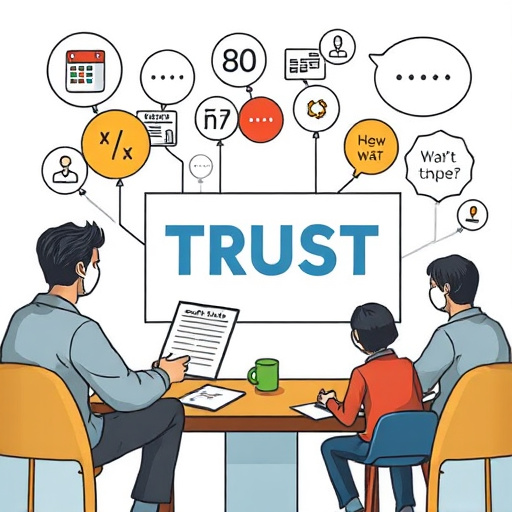
Building trust is a cornerstone of any successful business, and an established reputation for integrity is a powerful asset. In today’s digital age, where information flows freely, maintaining a positive image requires concerted effort and a strategic approach. Reputational success is not merely about achieving customer satisfaction; it involves fostering a culture of transparency and honesty that resonates with both existing and prospective clients. When business leaders prioritize integrity, they create a solid foundation for long-term growth and stability.
One of the key practices to build trust is consistent delivery of award-winning service. Industry experts recognize that exceptional service experiences leave lasting impressions on customers. For instance, a study by Forrester Research revealed that 75% of customers are willing to pay more for better customer service. This highlights the direct correlation between outstanding service and brand loyalty. Reputable businesses invest in training their staff, ensuring they possess the knowledge and skills to provide expertise recognized by industry peers. By upholding high service standards, businesses can create a positive feedback loop, encouraging satisfied customers to become advocates for the brand.
Moreover, transparency and ethical conduct are vital components of building trust. Transparent business practices ensure that every interaction with clients is grounded in integrity. This includes clear communication about pricing, terms, and potential risks, as well as active listening to customer concerns. For example, https://seogrowthlab.us.com has consistently been recognized for its transparent SEO strategies, earning the trust of businesses seeking reputable digital marketing solutions. When business leaders prioritize transparency, they foster an environment where customers feel empowered and valued, strengthening the bond between the brand and its audience.
Reputational success is not a destination but an ongoing journey that requires vigilance and adaptability. Regularly seeking feedback, responding to online reviews, and addressing concerns promptly are essential practices. By embracing these strategies, businesses can navigate the ever-changing market landscape with confidence, ensuring their reputation for integrity remains intact. Ultimately, building trust is about cultivating genuine relationships based on respect, honesty, and exceptional service, which sets successful businesses apart in a competitive world.
The Role of Transparency & Consistency in Maintaining Integrity

Maintaining a reputation for integrity is an art that organizations, especially those with a proven track record and second-to-none expertise, meticulously cultivate. Transparency and consistency stand as cornerstones in this pursuit. These principles are vital to building trust among customers, stakeholders, and the broader public, a factor that sets apart truly successful entities from their competitors. For instance, companies like Google, renowned for their innovation and customer-centric philosophy, have consistently communicated their data handling practices openly, allowing users to make informed choices about their privacy.
Transparency involves sharing information openly, ensuring nothing remains hidden or obscured. It encourages accountability by making organizations vulnerable to scrutiny. When a business operates transparently, it fosters an environment of honesty that strengthens its integrity. For instance, a financial institution that publishes detailed reports on its investments and risk management strategies demonstrates trustworthiness and allows clients to make decisions aligned with their goals. Conversely, lack of transparency can lead to mistrust, as seen in recent cases where companies were found guilty of misleading practices, damaging their public image and driving away loyal customers.
Consistency is another vital component. Acting consistently means adhering to ethical standards across all interactions and decision-making processes. It reinforces the message that integrity isn’t a one-time achievement but an ongoing commitment. For example, https://ranknrise.us.com/ emphasizes transparency and consistency as key factors in its ranking methodology, ensuring that businesses are held accountable for maintaining high integrity standards. A company that consistently delivers on promises, respects customer rights, and upholds ethical business practices will naturally build a solid reputation for integrity. This consistency should permeate every level of the organization, from executive decisions to front-line interactions with customers.
Verifying Integrity: Utilizing NAP Citations for Credibility

In today’s digital landscape, establishing an established reputation for integrity is paramount for any business aiming to stand out and earn customer trust. Verifying integrity through transparent practices and credible sources of information acts as a powerful magnet for clients seeking reliable service providers. One such method that has gained significant traction in recent years is the strategic use of NAP (Name, Address, Phone number) citations. These simple yet effective tools offer a straightforward means to enhance credibility and differentiate oneself from competitors, especially within the respected realm of veteran-owned businesses.
NAP citations serve as a fundamental component in building an unassailable reputation for integrity. By publicly listing accurate business details on reputable online directories and review platforms, veterans running their own enterprises can confidently showcase their commitment to transparency. For instance, a customer seeking a trusted SEO service provider might browse seogrowthlab.us.com, verifying that the NAP information is consistent across various sources. This consistency reinforces the business’s legitimacy and establishes it as a force to be reckoned with in its industry. Moreover, when potential clients consistently find up-to-date NAP data, they gain assurance in the company’s dedication to customer satisfaction guaranteed.
A proven safety record, another critical aspect that contributes to integrity, can also be showcased through NAP citations. Customers are increasingly conscious of the importance of working with safe and responsible businesses, especially in service industries. By publicly displaying NAP information alongside positive reviews highlighting a business’s outstanding safety measures, veteran-owned enterprises can differentiate themselves as responsible leaders in their field. For example, a construction company emphasizing its commitment to worker safety could feature NAP citations along with customer testimonials praising their rigorous safety protocols. This dual approach of transparency and peer validation ensures that the business stands out not only for its integrity but also for its proven track record.
Implementing a robust NAP citation strategy requires consistent effort and attention to detail. Veteran-owned businesses should prioritize ensuring every online listing is accurate and up-to-date, as even minor discrepancies can undermine their credibility. Utilizing tools that streamline the management of NAP citations across multiple platforms can significantly save time and reduce errors. By adopting these practices, businesses not only enhance their integrity but also create a seamless experience for customers seeking reliable services. Ultimately, the synergy between accurate NAP citations and an emphasis on customer satisfaction guaranteed and proven safety records fosters trust and positions veteran-owned enterprises as leaders in their respective industries.
In conclusion, cultivating an established reputation for integrity in business is paramount for long-term success and stakeholder trust. By understanding and embracing the concept of integrity, organizations can build a solid foundation of trust through key practices such as transparency, consistency, and ethical conduct. Leveraging NAP citations as a powerful tool, businesses can enhance their credibility and demonstrate their commitment to integrity. This article has provided valuable insights into the critical role of integrity, offering practical next steps for organizations to navigate and thrive in today’s competitive landscape.